
« From Local Evidence to Global Action: Connecting Community Realities with Human Rights Policy »
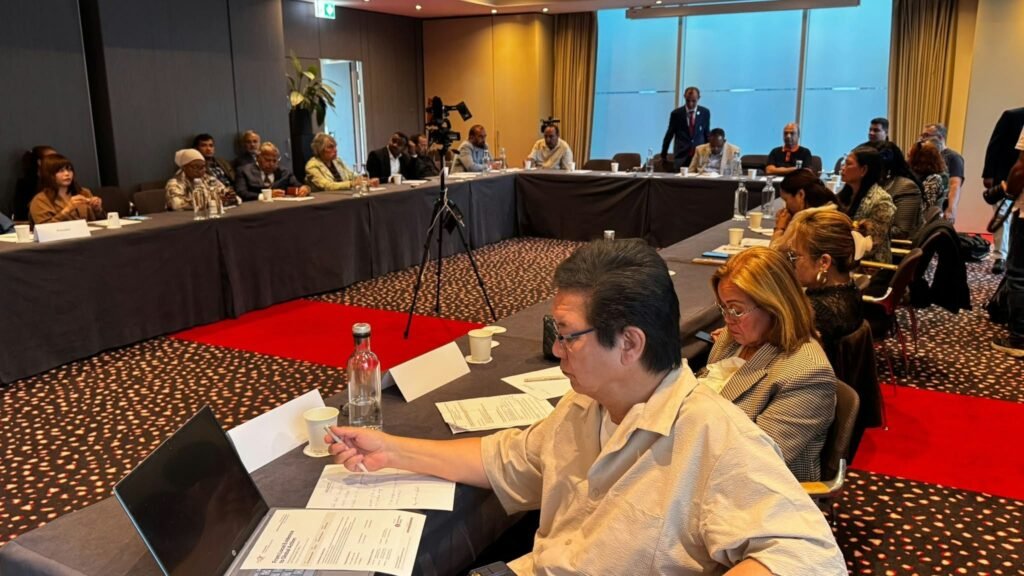
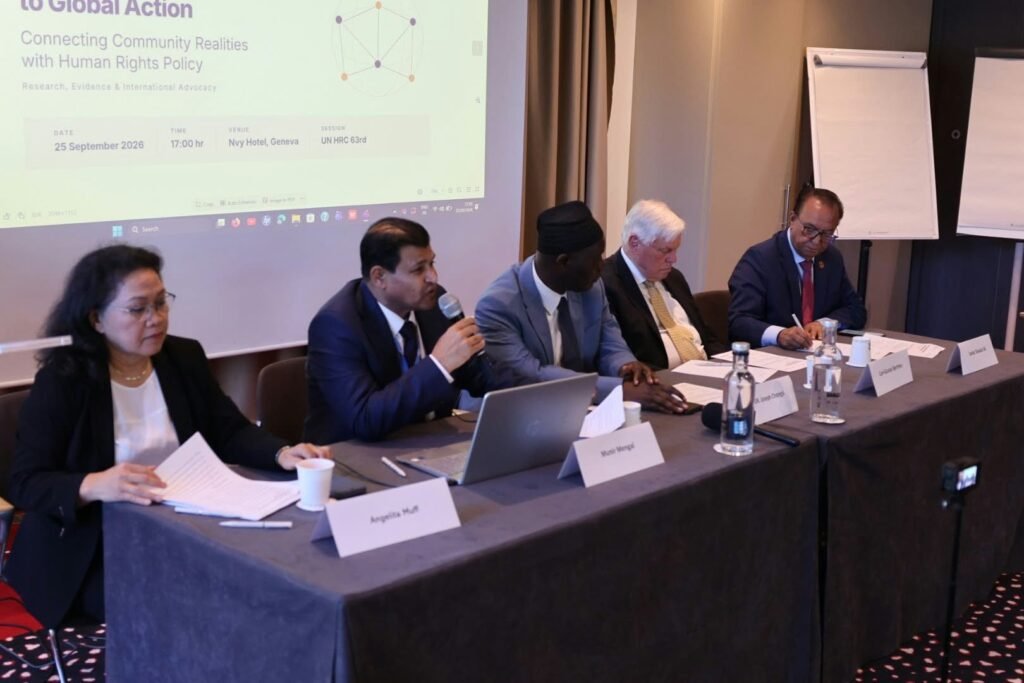
GENEVA / PARIS — 26 September 2026 — The Paris Integration Forum convened a major international conference on 25 September 2026 at the NVY Hotel, Geneva, on the sidelines of the 63rd Session of the United Nations Human Rights Council. Titled « From Local Evidence to Global Action: Connecting Community Realities with Human Rights Policy, » the conference brought together politicians, human rights defenders, journalists, lawyers, and civil society representatives from across the globe to examine the critical link between locally gathered evidence and the formation of effective international human rights policy.
At the conclusion of the conference, all panellists and participants unanimously urged the United Nations to press states to create a suitable environment and ensure the protection of all human rights representatives, media persons, and experts engaged in collecting evidence at the local level of cases of abuse of human rights — including the use of chemical weapons, toxic weapons, lethal weapons, and other instruments of mass harm.
The Evidence Cycle: A Central Theme
Opening the conference, moderator Munir Mengal welcomed all participants and panellists and briefed them on the theme and objectives of the event. He stated:
« We gather this evening on the sidelines of the 63rd Session of the United Nations Human Rights Council, a session that, over the coming weeks, will help in shaping the global human rights agenda. We begin here because the work of that Council is only as strong as the evidence that feeds it, and that evidence is only as credible as the communities that produce it. Our theme tonight speaks to a journey — we call it the evidence cycle. That cycle — from local evidence to global action, and back again — is the heartbeat of effective human rights advocacy. When it works, international policy is grounded in reality. »
Mr. Mengal emphasised that the integrity of the international human rights system depends on the quality and credibility of evidence collected at the community level.
Evidence Collection and UN Mechanisms
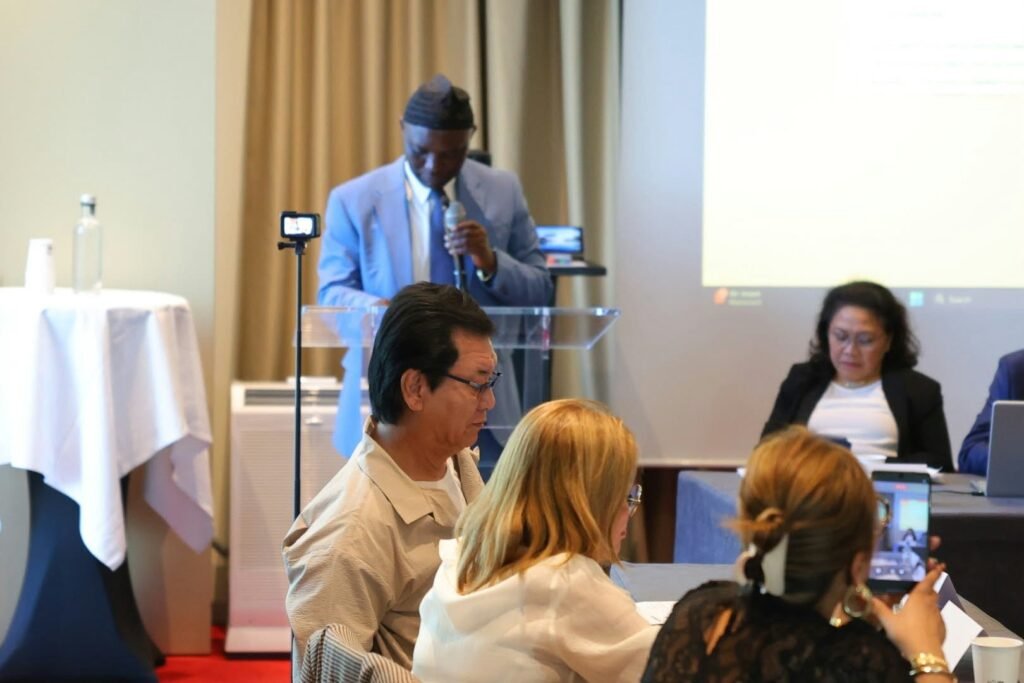
Dr. Joseph Chongsi opened the panel discussion with a detailed briefing on the cycle of collecting local evidence and presenting it to UN bodies. He outlined the basic steps of how the cycle works and stressed that evidence is the most crucial factor in human rights advocacy. He acknowledged the significant barriers faced by NGO members, media professionals, and investigators, noting that perpetrators intentionally destroy evidence and obstruct documentation efforts. He briefed the audience in detail on how the UN human rights machinery functions — how treaty bodies receive communications, how special procedures are activated, and how accountability processes unfold.
Human Rights Abuses in Pakistan and Kashmir
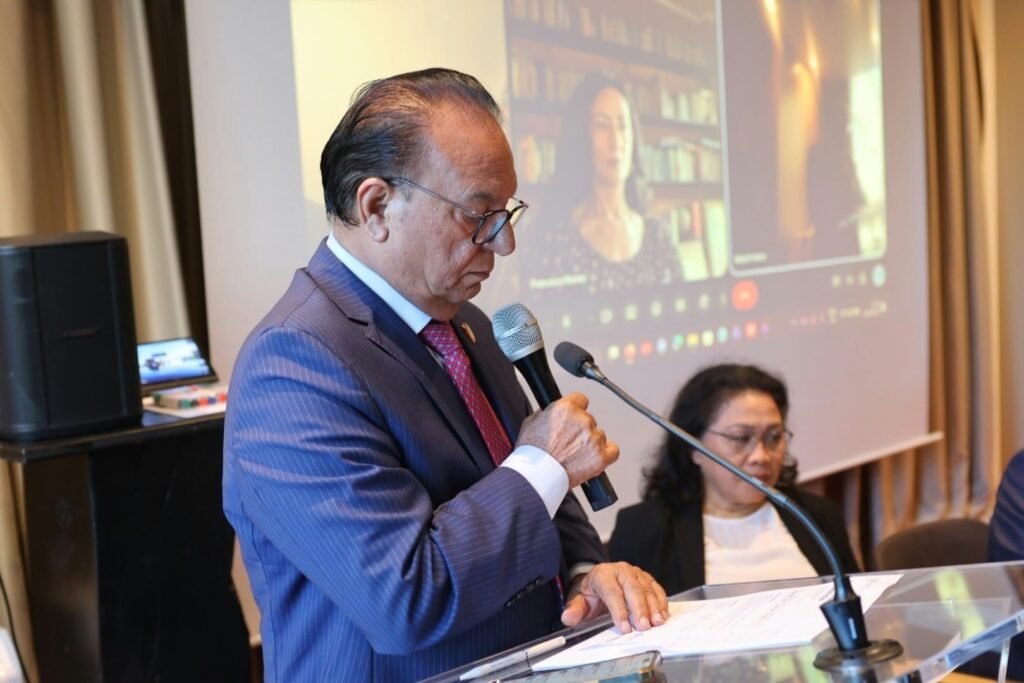
Senior politician and human rights advocate Sardar Shaukat Ali Kashmiri delivered a detailed briefing on human rights challenges in Pakistan. He explained how NGOs and media organisations face severe difficulties in collecting evidence of rights abuses, citing examples of enforced disappearances in which state security forces are implicated and the judiciary is kept away from taking up cases. He noted that Kashmir is an accepted case at the United Nations as a disputed region, with UN resolutions adopted on the issue; however, over the past sixty years, the UN has been unable to implement its resolutions. He reported that Pakistani forces are using systematic extrajudicial killings and enforced disappearances to maintain control, and that food supplies — including milk and medicines — are being denied entry into Pakistan-administered Kashmir solely because the people are protesting for their basic fundamental rights. He called upon the UN, through its treaty bodies and special procedures, to intervene and protect the affected population.
Reporting Challenges and Balochistan
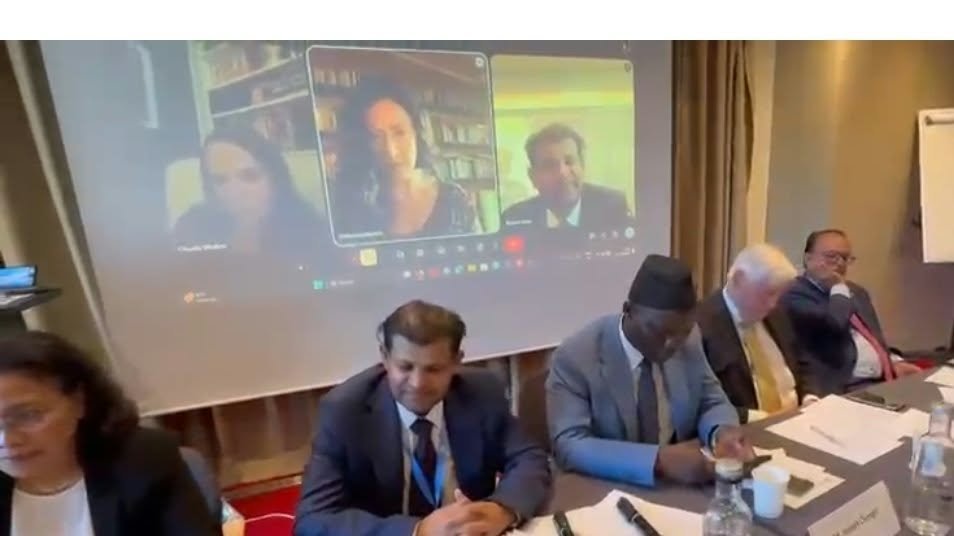
Italian freelance journalist Francisca Marino, joining online, presented the difficulties of collecting evidence and reporting in cases where states are involved in violations. Drawing on her visit to Pakistan and her monitoring of the situation in Balochistan, she cited the cases of Dr. Mahrang, Bibi Gulzadi, and thousands of others who were imprisoned or became victims of enforced disappearance for participating in peaceful protests. She explained that the local Pakistani judiciary system is unable to act in cases related to Balochistan, and that the voices of the people have been silenced through military operations. She stressed, however, that no one can silence voices through elimination, which is why the Balochistan case continues to grow despite systematic suppression. She urged the UN to take concrete steps to ensure the safety of human rights activists and reporters.
The Philippines and ICC Jurisdiction
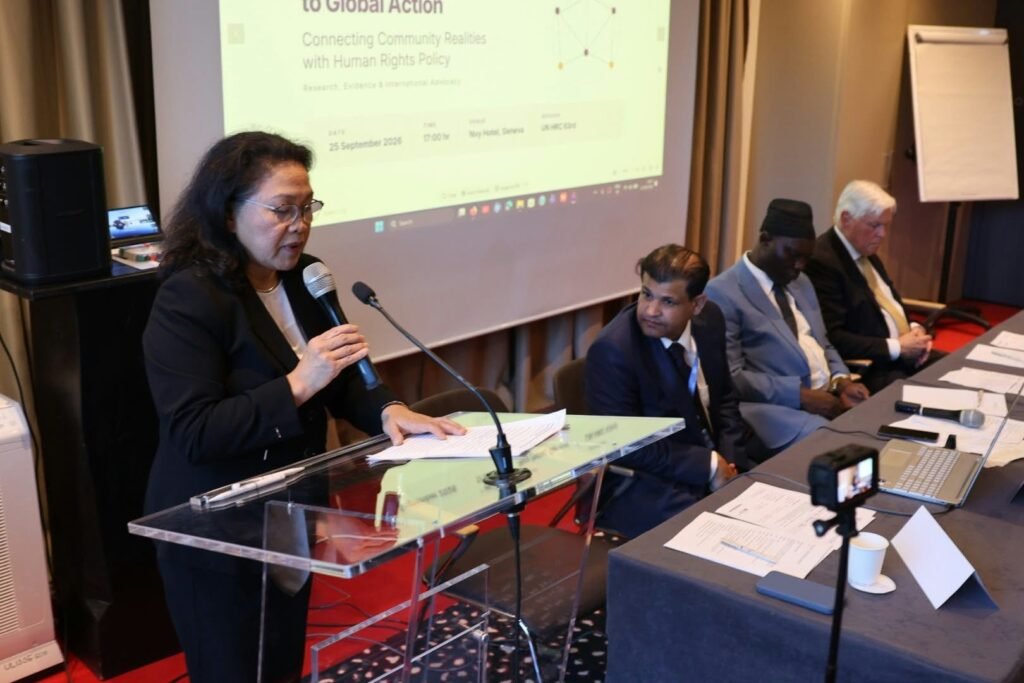
Panellist Angelita Muff presented cases from the Philippines, noting that the country is a democracy with a functioning judiciary. She raised serious concerns about the manner in which former President Rodrigo Duterte was arrested and transferred to the custody of the International Criminal Court (ICC). She argued that the question of ICC jurisdiction remains a significant issue, that the procedure followed appears incomplete, and that the Philippine judiciary appears to have been overruled — raising concerns regarding state sovereignty. She also briefed the audience on the hurdles faced in collecting local evidence of rights abuses.
Chemical Weapons Use in Sudan
German politician and lawyer Claudia Wadlich, joining online, brought the critical issue of evidence collection regarding the use of chemical weapons by the Sudanese Armed Forces (SAF), led by General Al Burhan. She outlined the chronology of the issue:
- The United States first raised the issue of suspected chemical weapons use in Sudan and called for an investigation.
- Sudanese authorities denied the use of chemical weapons and refused any investigation. This denial persisted.
- The United Nations subsequently expressed suspicion and showed interest in investigating, but Sudan continued to deny.
- The UN has now taken a decision to send an expert committee to investigate the use of chemical weapons in Sudan.
Ms. Wadlich stressed that the issue must be investigated thoroughly and that UN and expert teams must be allowed to investigate properly. She detailed the devastating consequences of chemical weapons, explaining that they destroy the entire ecosystem: women and children become the most vulnerable victims; water supplies are contaminated; and animals, trees, and the entire agricultural system are destroyed. She called upon the UN to send the investigation committee as soon as possible and to press Sudan to allow the committee members full and unimpeded access.
The Japanese Experience and Intergenerational Harm
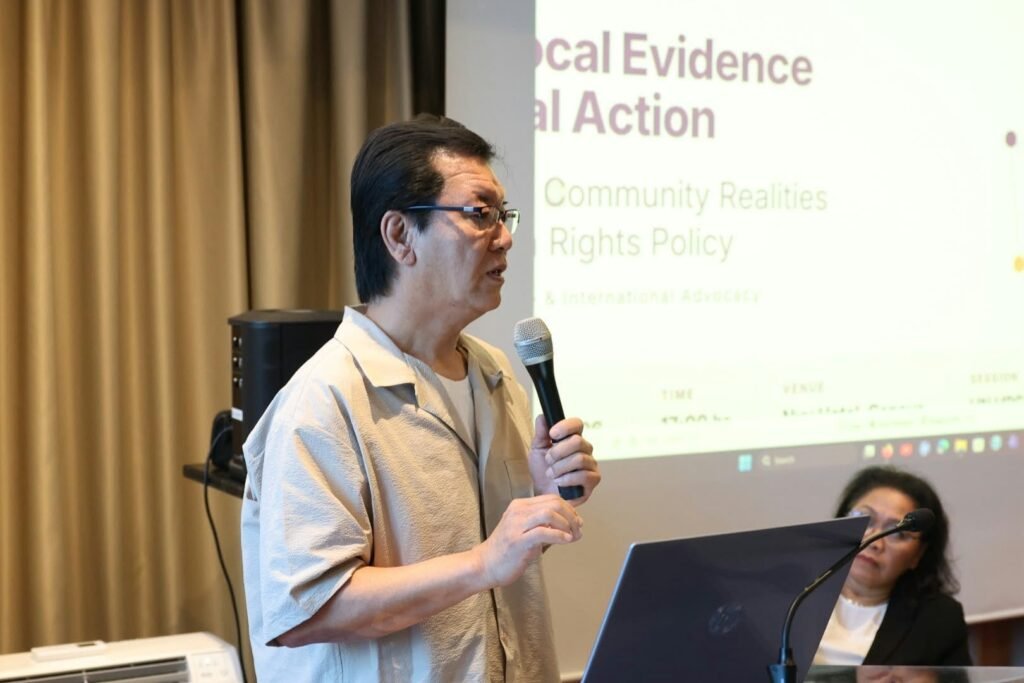
Dr. Shun Fujiki, representative of the Carrier Support Association from Japan, drew on the unique historical experience of the Japanese people as victims of the atomic bomb:
« We Japanese people have been victims of the atomic bomb. We know how drastic it is to use chemical weapons against human beings. This destroys human beings — our children, youth, and old people were burned in that atomic bomb. Even chemical weapons impact the genetic system of human beings, and this keeps on destroying the future generations of human beings. »
Dr. Fujiki stressed that a proper, independent investigation must be conducted in Sudan, and that the UN experts committee must be given proper access for a detailed investigation of the chemical weapons use, its impacts, and that accountability must follow.
Sudan Conflict and the Plunder of African Resources
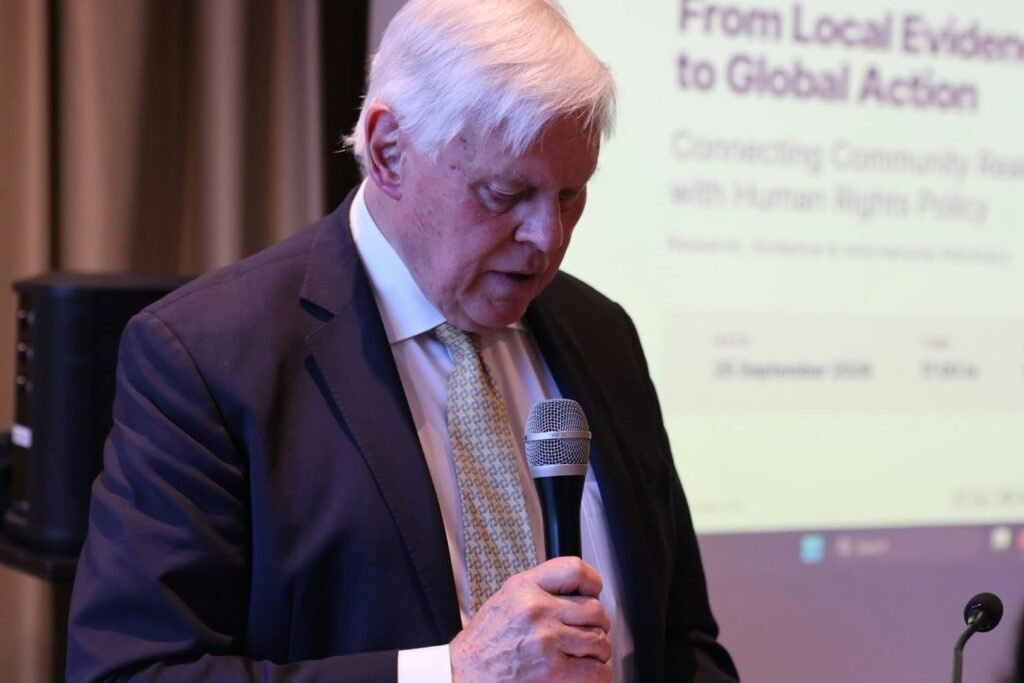
Carl-Gustav, President of the Seed-Africa organisation, observed that Africa is rich in resources, yet its people are deprived of basic needs, and that conflicts serve as a vehicle to steal African resources. He posed critical questions demanding investigation: Who is supplying arms and ammunition to the Sudanese Army? Who supplied the chemical weapons to Sudan? Through which route did the chemicals enter Sudan? He noted with regret that more than two years have passed without any investigation being carried out, and that perpetrators use every available means to deny investigation and eliminate evidence. He insisted that the UN expert team must be given full access and adequate resources to investigate the chemical weapons use comprehensively.
Legal Complexities and Sovereignty
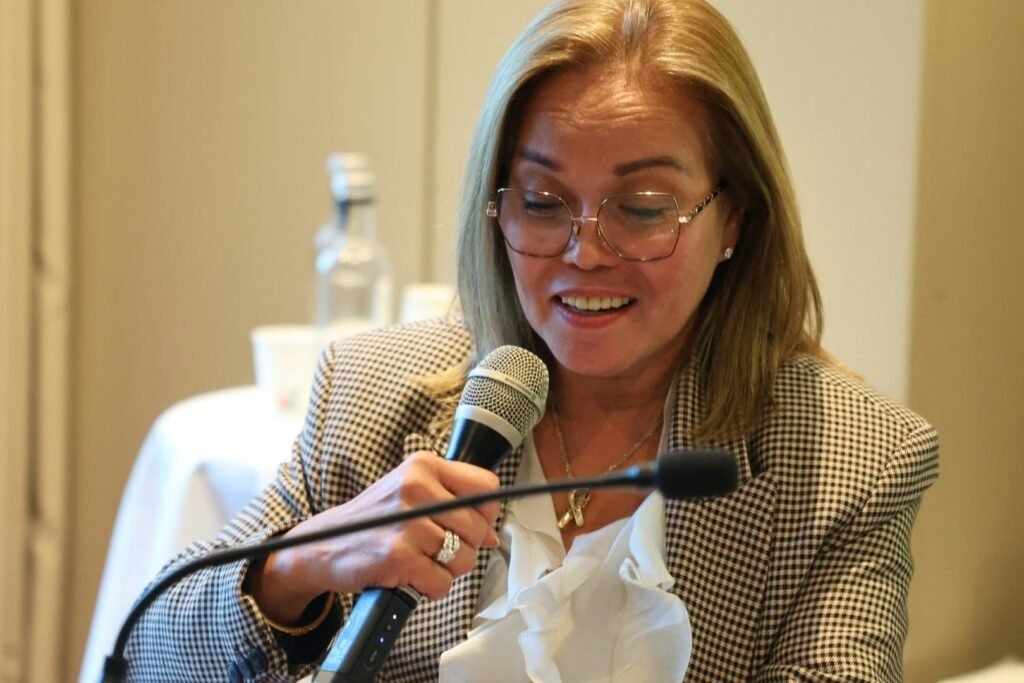
Lawyer Madam Chona Tenorio from Spain briefed the audience on the legal complexities within the cycle from local evidence to accountability. She stressed that the UN mechanism is a highly important system to bind states to protect fundamental rights and territorial integrity, and that human rights can be guaranteed only if states’ legal structures become independent and powerful. She expressed concern that the Philippine judiciary — one of the most powerful institutions of the state — appears to have been bypassed in the arrest of former President Duterte, describing it as an act of weakening the local judiciary system.
Question and Answer Session
During the Q&A session, journalist Taha Siddiqui asked why the use of chemical weapons was being discussed at the conference. Moderator Munir Mengal responded that the use of chemical weapons is a crime against humanity, that the UN itself is asking for an investigation, and that if chemical weapons have been used in Sudan, they must be investigated thoroughly and without delay.
Unanimous Call to Action
At the conclusion of the conference, all panellists and participants unanimously urged the United Nations to press states to create a suitable environment and ensure the protection of all human rights representatives, media persons, and experts engaged in collecting evidence at the local level of cases of abuse of human rights — including the use of chemical weapons, toxic weapons, lethal weapons, and other instruments of mass harm. The participants stressed that without safe and unhindered access for those who document violations, the evidence cycle at the heart of effective human rights advocacy cannot function, and accountability will remain beyond reach.
Mr. Mengal thanked all participants for their engagement and invited attendees to a networking dinner at Sajna Restaurant to continue dialogue and collaboration.
- The conference title was « From Local Evidence to Global Action: Connecting Community Realities with Human Rights Policy. »
- Panellists included: Mr. Munir Mengal (Moderator); Dr. Joseph Chongsi; Sardar Shaukat Ali Kashmiri; Ms. Francisca Marino (online); Ms. Angelita Muff; Ms. Claudia Wadlich (online); Dr. Shun Fujiki; Mr. Carl-Gustav; and Madam Chona Tenorio.
- Key issues discussed: enforced disappearances and extrajudicial killings in Pakistan-administered Kashmir and Balochistan; the arrest of former Philippine President Rodrigo Duterte and ICC jurisdiction; and the reported use of chemical weapons by the Sudanese Armed Forces in Sudan.