

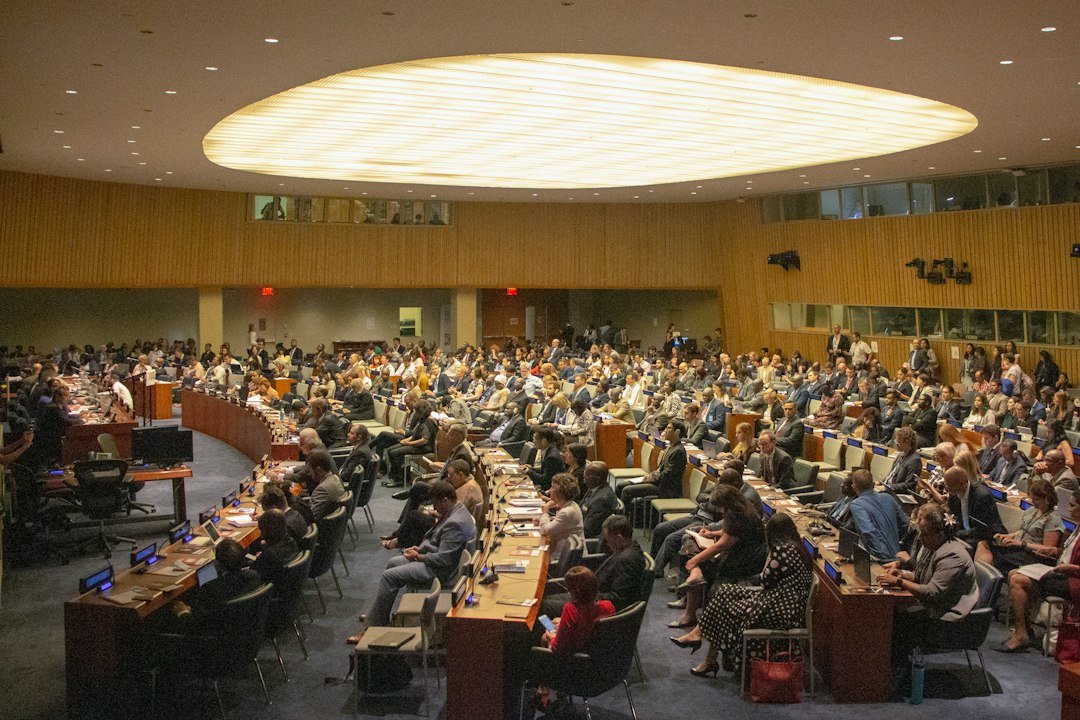
United Nations General Assembly President Khalilur Rahman warned on 7 October 2026 that international development finance is moving in the wrong direction as the Assembly’s Economic and Financial Committee opened its work for the eighty-first session.
Rahman told the Second Committee that official development assistance fell by 23.3 per cent in 2025, the largest annual contraction on record, and is projected to decline by a further 6.9 per cent in 2026.
He argued that the effectiveness of multilateral negotiations will be judged by whether development reaches people in practical ways, including access to schools, healthcare, markets and fair opportunities for vulnerable countries.
The statement called for stronger implementation of the Sustainable Development Goals, more dependable financing and closer alignment between political commitments and the resources available to developing economies.
The Committee’s opening debate also examined follow-up to the Doha Programme of Action for least developed countries and implementation of the New Urban Agenda, with speakers warning that weak funding and widening structural gaps are slowing progress.
UN-Habitat Executive Director Anacláudia Rossbach urged countries to make the second decade of the New Urban Agenda a period of implementation at scale, highlighting the need to translate international commitments into national and local action.
The debate gives the Second Committee a difficult agenda: addressing debt and financing pressures while ensuring that technology, infrastructure and urban policy deliver measurable gains rather than additional declarations without resources.
References
- President of the UN General Assembly: Statement to the Second Committee plenary, 7 October 2026
- UN Meetings Coverage: Second Committee debate on development funding and implementation, 7 October 2026
- UN DESA: Priorities as General Assembly committees begin their sessions, October 2026