

GENEVA, 16 October 2026 — Rebeca Grynspan, a leading contender to become the next United Nations Secretary-General, has argued that the organisation needs more proactive diplomacy and substantial institutional reform to remain effective amid growing global conflicts.
In an interview published by Reuters, Grynspan said the UN had become too risk-averse and that its next leader must be prepared to pursue negotiations even when diplomatic efforts fail. She placed peacemaking, mediation and conflict prevention at the centre of the organisation’s future role.
Grynspan also argued that reducing costs would not be enough on its own. She called for clearer priorities, less duplication between agencies and stronger implementation of mandates, warning that budget cuts without reform could leave the organisation less capable of delivering results.
She pointed to her experience leading the UN Conference on Trade and Development, where she said she reduced staffing while sharpening the institution’s focus. Her argument is that administrative streamlining should be linked to a clearer mission rather than treated as an end in itself.
Grynspan cited the Black Sea Grain Initiative as an example of quiet diplomacy and said the UN should be more willing to test practical approaches when traditional peacekeeping models are not viable. She also stressed that the organisation already possesses expertise and field presence that could be better coordinated.
The Secretary-General selection process remains ongoing, and her candidacy is not final. Any incoming leader will face pressure to demonstrate that the UN can mediate conflicts, coordinate humanitarian action and use limited resources more effectively while retaining the confidence of member states.
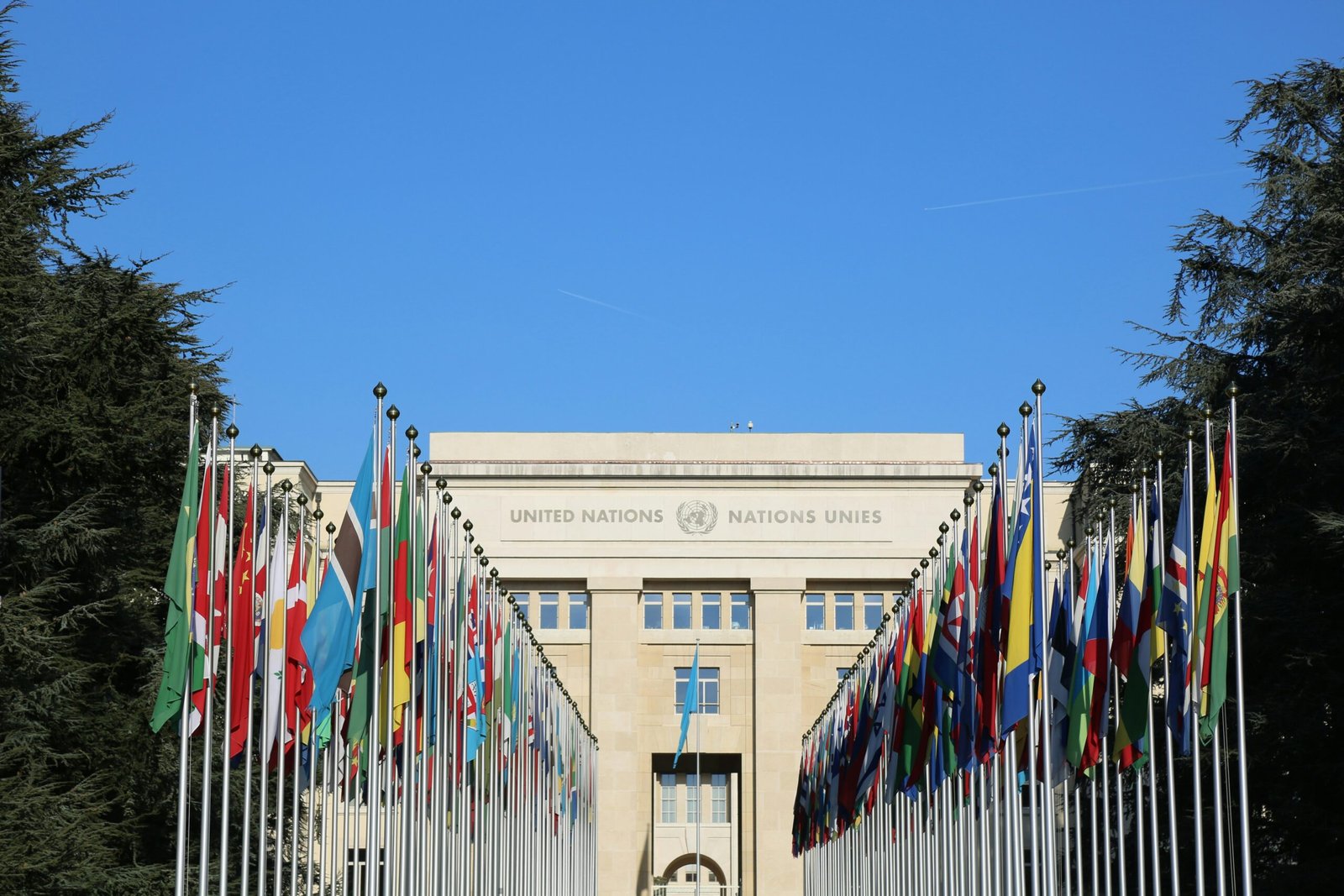
Image note: Featured image of international flags is illustrative.