

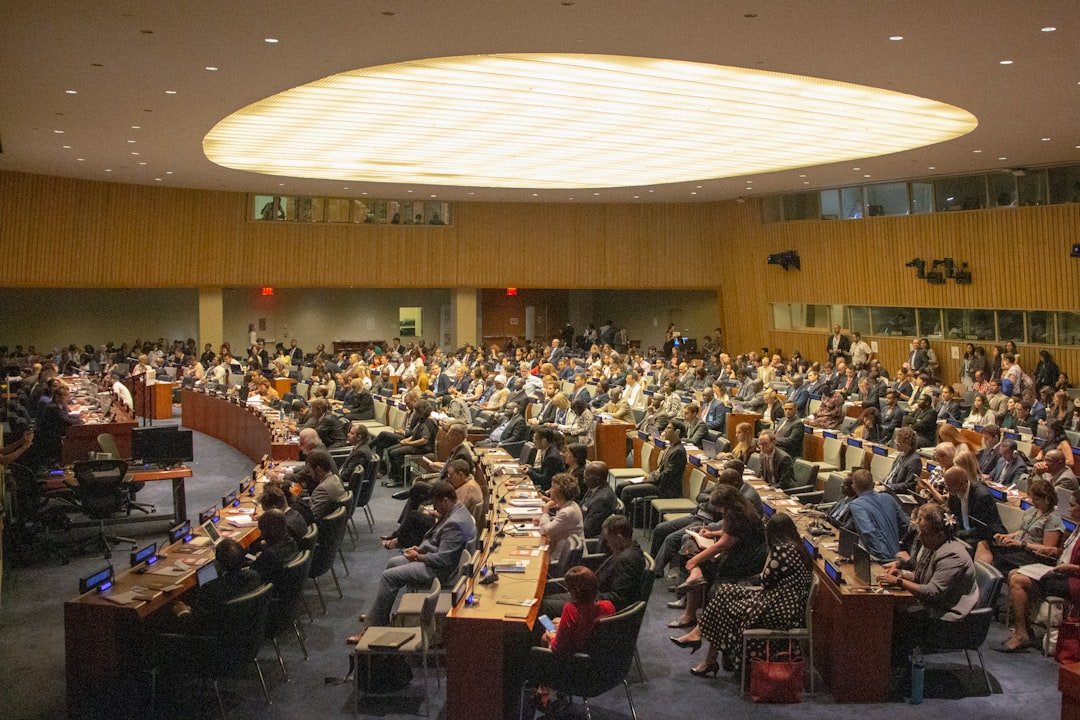
13 September 2026 — The United Nations Security Council has used the 25th anniversary of the September 11 attacks to assess how the global terrorist threat has changed since 2001.
Briefers told ambassadors that extremist organizations are increasingly using artificial intelligence, drones and encrypted communications across recruitment, fundraising and operational planning.
The discussion revisited Resolution 1373, adopted after the 2001 attacks, which created the foundations of the Council’s modern counter-terrorism architecture.
Speakers emphasized that technological tools can also strengthen prevention, investigation and international coordination when governments use them lawfully and responsibly.
The meeting highlighted the growing challenge of terrorist propaganda, which UN reporting says is becoming embedded at multiple stages of extremist activity and is often moving faster than international responses.
Delegations stressed that counter-terrorism measures must comply with international law and protect human rights, including privacy and freedom of expression.
The debate points to a policy priority for the UN: updating cooperation and technical capacity without allowing new security tools to undermine the legal standards they are intended to defend.
References
- UN Meetings Coverage — Security Council counter-terrorism briefing
- Global Issues / UN News — Ambassadors mark 9/11 with AI and drone focus
Featured photo: Matthew TenBruggencate via Unsplash.