

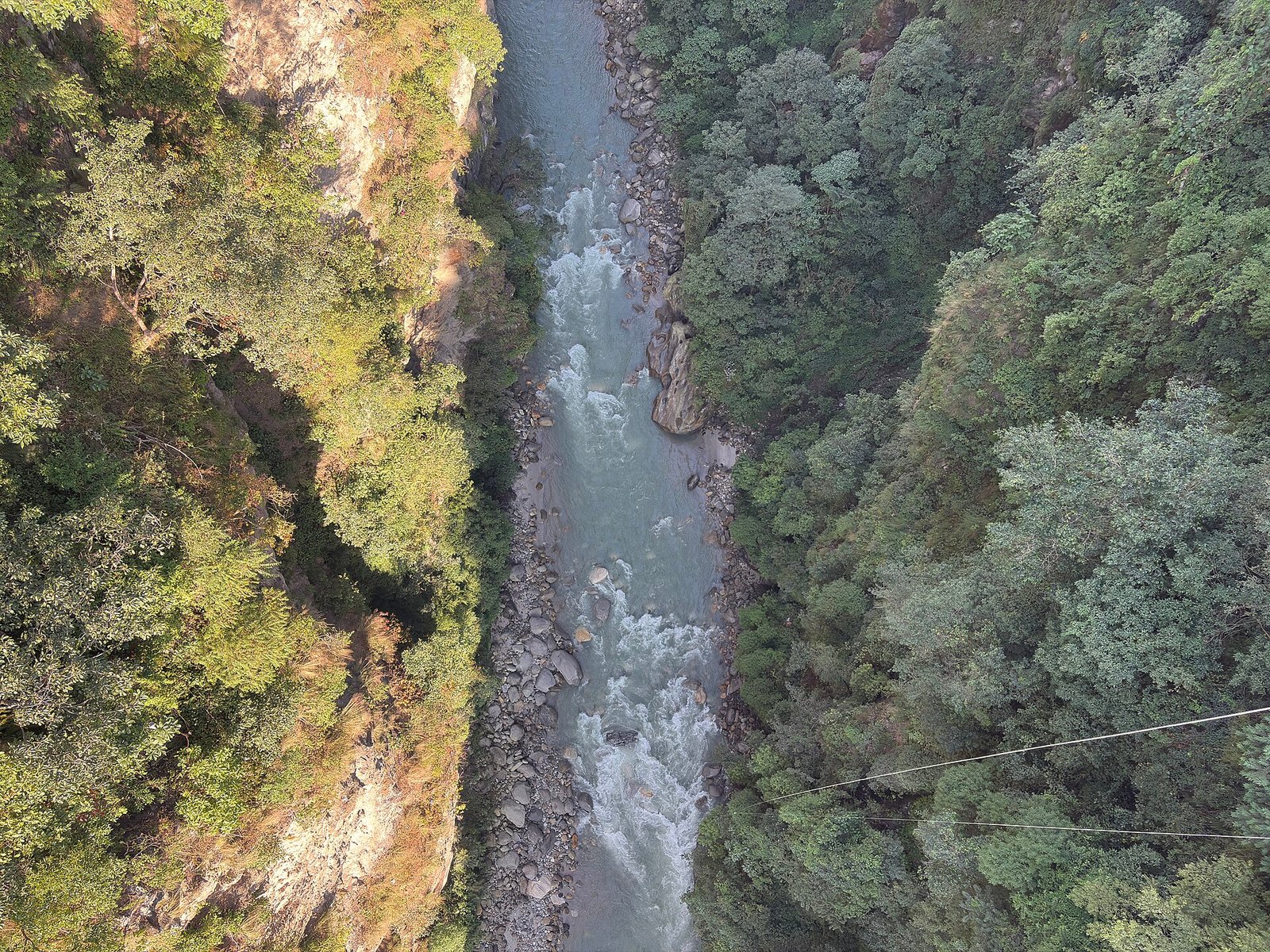
KATHMANDU, 9 October 2026 — More than 32,000 children in Nepal have been affected by the floods that struck in late August, the UN Children’s Fund (UNICEF) said on Friday, warning that six weeks on, communities are still struggling to rebuild and parts of towns and villages “look like war zones”.
The disaster began when a mountain of glacial ice and rock collapsed into the Bhotekoshi, Upper Trishuli and Narayani-Gandak rivers, unleashing a torrent that washed away bridges and homes. Nepal’s government formally ended search and rescue operations on 5 October, with the bodies of at least 1,455 people recovered and 5,285 still missing, including hundreds of foreign nationals, the Associated Press reported. “Eighty-four children have been declared dead. With 5,285 people still missing, that number will, sadly, swell,” said UNICEF spokesperson James Elder, briefing journalists in Geneva from Kathmandu.
Elder said the floods harm children in three ways. Essential services have been wrecked, with 23 schools, seven health facilities and 64 water systems damaged or destroyed. Children carry deep emotional scars, so psychosocial support matters as much as food, water and shelter. And a generation is at risk of falling behind: in a country where 28 per cent of young women were married as children, girls now face a greater risk of child marriage.
The response has been extensive. UNICEF and its partners have vaccinated more than 68,000 people against cholera, restored water to 27,000, brought thousands of children back into learning and play spaces and reunited 51 children with their families. Access to some communities in Rasuwa district remains difficult, and Caroline Holt of the International Federation of Red Cross and Red Crescent Societies said families in the hardest-hit areas face disrupted markets, higher transport costs and shortages of essential goods.
UNICEF stressed that the risk reaches far beyond Nepal. The Hindu Kush Himalaya holds more ice than anywhere outside the polar regions; around 240 million people live in these mountains and another 1.65 billion depend on the rivers they feed. Nepal produces only about 0.1 per cent of global greenhouse gas emissions, and Elder urged that international commitments on loss and damage “quickly translate into support that reaches affected families on the ground” ahead of the COP31 climate summit in Antalya, Türkiye, from 9 to 20 November.
The government estimates that recovery and reconstruction will cost $4.77 billion, according to AP. “Unless the world acts to reduce climate risks, we will keep returning to the same valleys after the next flood and the next landslide,” Elder warned, “and yet again find children paying the highest price.”
References
- UNICEF: Nepal – A long road to recovery (statement by spokesperson James Elder), 9 October 2026
- UN News: Amid heartache of Nepal flooding disaster, fear remains, 9 October 2026
- UN Geneva: Press briefing summary, 9 October 2026
- CBC News / The Associated Press: Nepal search for missing after flash floods officially ends, with nearly 5,300 people still unaccounted for, 7 October 2026
Featured image: The Bhotekoshi River in Sindhupalchowk District, Nepal (file photo, October 2025, taken before the floods). Photo by Saddam19 / Wikimedia Commons, CC BY-SA 4.0.