
GENEVA, 8 November 2026 — Nearly 90 million forcibly displaced people are living in countries highly or extremely exposed to climate-related hazards, according to a new report highlighted by the UN Refugee Agency (UNHCR) at a Geneva briefing on 6 November.
The report, part of UNHCR’s “No Escape” series, examines how floods, droughts and extreme heat disproportionately affect people who have already lost homes, income and social support through displacement. Countries identified as facing serious exposure include Ethiopia, Chad, Bangladesh, Pakistan and Sudan.
UNHCR climate action expert Jana Birner said displacement often strips people of the resources they need to adapt to climate change. Refugees and internally displaced people may arrive in areas with limited shelter, weak infrastructure and few livelihood opportunities, leaving them especially exposed when extreme weather strikes.
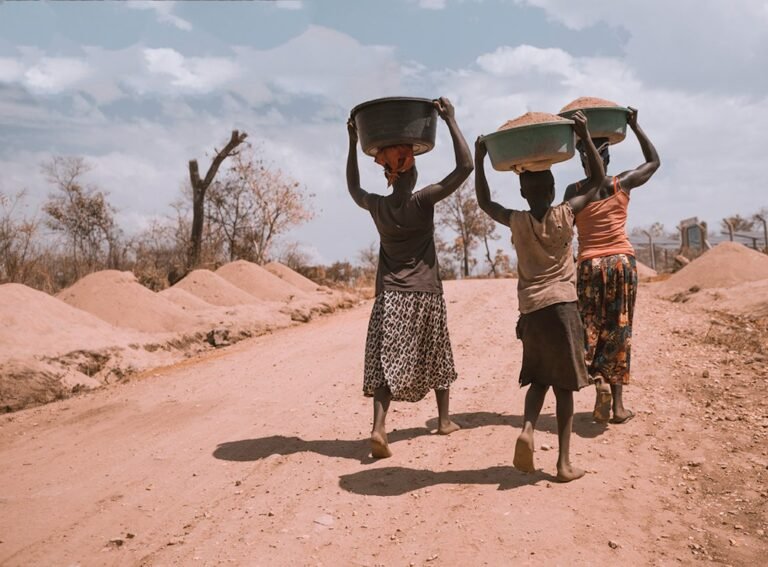
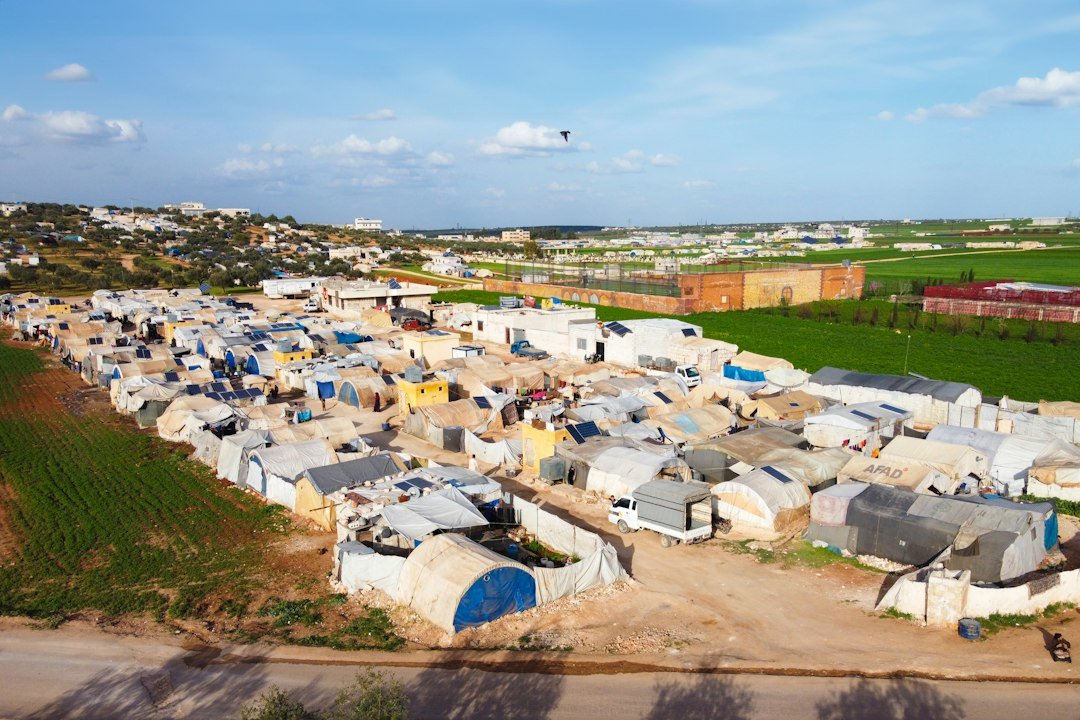
The report highlights the growing danger of extreme heat in refugee settlements in sub-Saharan Africa. By 2050, one in three settlements in the region could experience up to 100 days of extreme heat annually. In parts of Ethiopia, the number could exceed 200 days, exposing residents to heat for more than half the year.
Climate-related disasters are also driving repeated movement. UNHCR cited 255 million new internal displacements linked to weather disasters over the previous decade, including precautionary evacuations — an average of approximately 70,000 displacements each day. Flooding and erosion in Kenya’s Kakuma refugee area have put vocational centres, schools and health facilities at risk, while some services have already faced disruption.
The report also raises concerns about the sustainability of refugee returns. UNHCR estimated that by mid-2026, two out of every three refugee returnees had returned to countries vulnerable to climate impacts. Without resilient housing, water systems, agriculture and livelihoods, people who return may be forced to move again.
UNHCR stressed that displaced communities are not only victims of climate change: refugees are already contributing to solutions through climate-smart agriculture, resilient shelters and reforestation. However, financing is not reaching displacement settings at the scale required, and refugee-led initiatives need stronger support and inclusion in national climate planning.
Sources: UN Geneva Press Briefing, 6 November 2026; UNHCR; UNHCR: Climate change and disasters. Featured image is illustrative and is not a photograph of a specific UNHCR settlement.