

ROME, 28 November 2026 — The Food and Agriculture Organization of the United Nations (FAO) and the World Food Programme (WFP) have warned that acute food insecurity is expected to deteriorate in 16 hunger hotspots between December 2026 and May 2027.
The latest Hunger Hotspots outlook, released on 27 November through the Global Network Against Food Crises, identifies Sudan, South Sudan, Somalia, northern Nigeria and Yemen as the five areas of highest concern. The agencies say conflict and armed violence remain major drivers in 12 of the 16 hotspots.
FAO and WFP report that the risk of famine remains plausible in parts of Sudan and South Sudan. Under a reasonable worst-case scenario, famine risk is projected through January 2027 in 13 areas of North Darfur and South Kordofan. The report also refers to a 2026 analysis that identified famine risk in four counties of Upper Nile and Jonglei in South Sudan.
Climate conditions are adding to the pressure. A strengthening El Niño has led to new hotspot designations in Southern Africa and the Central American Dry Corridor, while northeastern Uganda and Chad have also been added to the list. Southern Africa includes Eswatini, Malawi, Mozambique, Zambia and Zimbabwe.
In Southern Africa, dry and hot conditions threaten planting and harvests. The agencies project that up to 3 million people in Zimbabwe, 2.6 million in Malawi and 1.8 million in Mozambique could face high levels of acute food insecurity through March 2027.
The Central American Dry Corridor has also suffered severe crop losses. The 2026 first crop season was reported to be the driest in four decades, with losses exceeding 75 per cent in many areas. In Guatemala, 3.2 million people are projected to face high acute food insecurity from October 2026 to February 2027.
FAO and WFP say the consequences of conflict, displacement, high food and fuel costs, restricted humanitarian access and climate shocks are compounding one another. Humanitarian food-security and nutrition funding in the five highest-concern hotspots fell by 62 per cent, from $5.1 billion in 2022 to $2 billion in 2025.
The agencies are calling for urgent and safe access to affected communities and early action before the worst effects of El Niño arrive. A joint anticipatory-action plan aims to protect 9 million people in 22 countries by helping safeguard crops, livestock, livelihoods and household incomes.
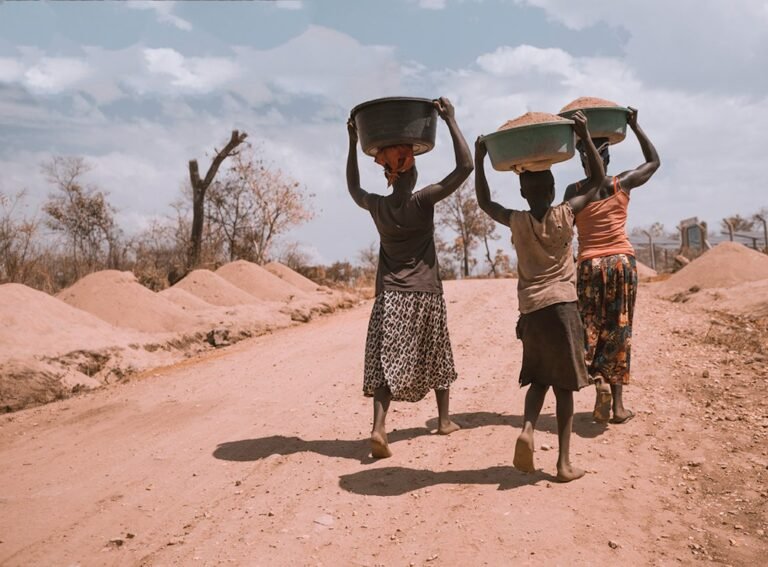
Featured image note: Illustrative dry landscape representing climate-related food-security risks; it is not identified as a specific location in the report.
Sources and references
- FAO/WFP joint news release, “El Niño adds new hunger hotspots as conflict continues to drive risk of famine,” 27 November 2026.
- WFP, Hunger Hotspots: FAO–WFP early warnings on acute food insecurity, December 2026–May 2027 outlook.
- WFP Executive Board, report executive summary.
Featured image credit: Unsplash / Mzimasi Ndzombane.