
GENEVA, 28 November 2026 — The United Nations refugee agency has launched a $7.137 billion Global Appeal for 2027, seeking support to respond to emergencies, protect forcibly displaced and stateless people, and help refugees find lasting solutions.
UNHCR says the appeal would allow it to provide protection services for 13.6 million refugees and asylum-seekers and 6.7 million internally displaced people next year, if fully funded. The agency is also seeking to safeguard investments in voluntary return, reintegration and local integration.
The new appeal comes amid a serious funding gap. UNHCR’s 2026 appeal targeted $8.5 billion, but the agency said it had raised only $2.9 billion by the time the 2027 appeal was announced. The agency is urging governments and public and private donors to provide early, predictable and flexible contributions.
On 27 November, UNHCR also warned that cuts are weakening protection for refugee and stateless women and girls at risk of gender-based violence. Across 14 country operations, its 2025 GBV Impact Report found that 171 safe spaces supported by UNHCR and partners had closed, with further closures in 2026; 203 spaces remained open.
These safe spaces provide access to psychosocial support, medical and legal assistance, prevention programmes and referral pathways. When they close, survivors may have fewer safe opportunities to disclose abuse and seek help, while the risk of continued violence and retraumatization increases.
UNHCR reported that its GBV programmes were less than one-third funded in 2025, leaving 5.6 million forcibly displaced and stateless people without life-saving prevention and response services. Despite the shortfall, specialized programmes reached 2.2 million people in 77 countries during 2025 and the first half of 2026.
Funding and staffing reductions have also affected the quality and timeliness of services. Sixty-three per cent of UNHCR operations reported delays in survivors accessing specialized case management, while 74 per cent reported increasing caseloads per caseworker.
UNHCR stressed that three-quarters of the world’s refugees are hosted by low- and middle-income countries and communities, which cannot shoulder the responsibility alone. The agency is calling for international solidarity and sustained investment to protect people forced to flee and ensure that essential services remain available.
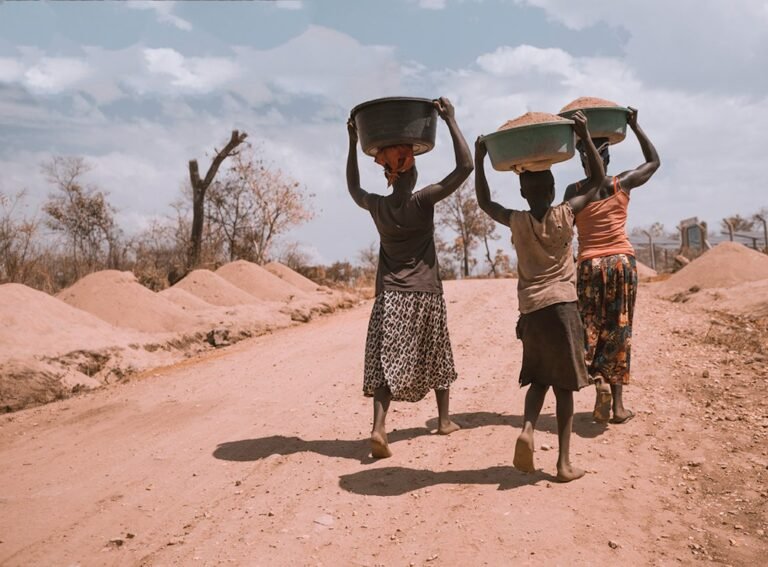
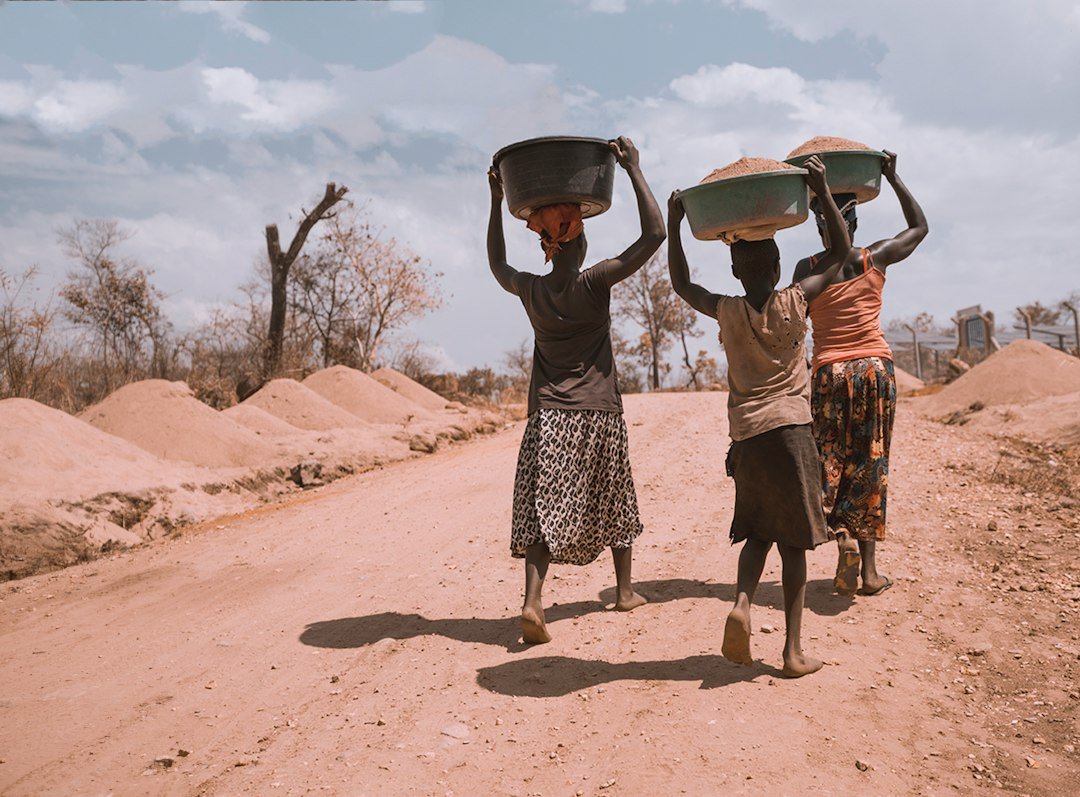
Featured image note: Illustrative photograph of women walking together; it does not depict a specific UNHCR safe space or operation.
Sources and references
- UNHCR, “Protection and solutions cannot wait: UNHCR launches $7.1 billion Global Appeal for 2027,” 27 November 2026.
- UNHCR, “Funding cuts are leaving refugee women and girls at greater risk of gender-based violence,” 27 November 2026.
- United Nations, “16 Days of Activism: UNHCR warns over deep funding cuts to vital protection work,” 27 November 2026.
Featured image credit: Unsplash / Ninno JackJr.