
KABUL / GENEVA, 24 November 2026 — United Nations agencies have warned that restrictions imposed on women and girls in Afghanistan are increasingly preventing them from accessing essential medical care, while international aid cuts are weakening the services on which many depend.
At a UN Geneva briefing on 20 November, UN Women representatives described an escalating assault on the rights and freedoms of Afghan women and girls. They said the restrictions are affecting not only education, employment and public participation, but also the availability of healthcare for women and children.
UN Women reported that women are being excluded from training for health professions and that restrictions in some communities prevent male health workers from treating women and girls. These barriers make it significantly harder for sick and pregnant women to obtain medical attention, raising serious concerns about maternal health and preventable suffering.
The agency said more than 100 decrees restricting women’s rights have been issued since the de facto authorities took power in 2021. Approximately 2.6 million girls have been barred from secondary education, a situation UN Women warned could contribute to increased child marriage and maternal mortality over time.
Humanitarian funding reductions are compounding the crisis. According to figures cited by UN Women and OCHA at the briefing, nearly 300 humanitarian health facilities have closed or suspended operations this year, affecting more than one million women and girls. More than 193 service points for survivors of gender-based violence have also closed, with more than one million girls affected.
The briefing further highlighted that around 3.4 million women and girls in need are unlikely to have access to water, sanitation and hygiene services. A survey of 74 women-led organisations in Afghanistan found that half expected to suspend operations or close by April 2027 because of funding cuts, potentially putting services for nearly 500,000 women at immediate risk.
UN Women stressed that women-led organisations are indispensable in Afghanistan because assistance often needs to be delivered by women to women. Their work includes counselling, vocational training, literacy support, food assistance, emergency cash and services for survivors of violence. Yet these organisations are facing growing pressure just as humanitarian needs are increasing.
The agency urged governments and donors to maintain and increase support, protect women’s rights and ensure that Afghan women and girls can access healthcare, education, protection and essential services without discrimination. It also called for Afghan women to be included in the decisions that shape their future.
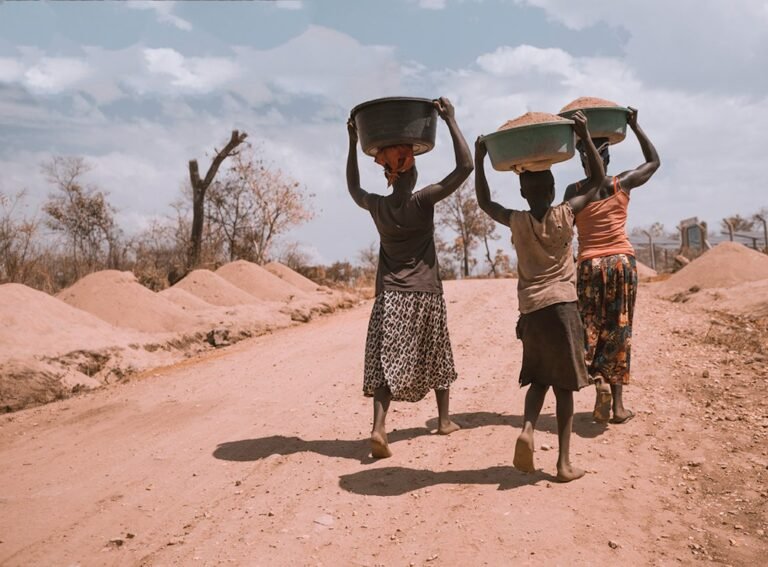
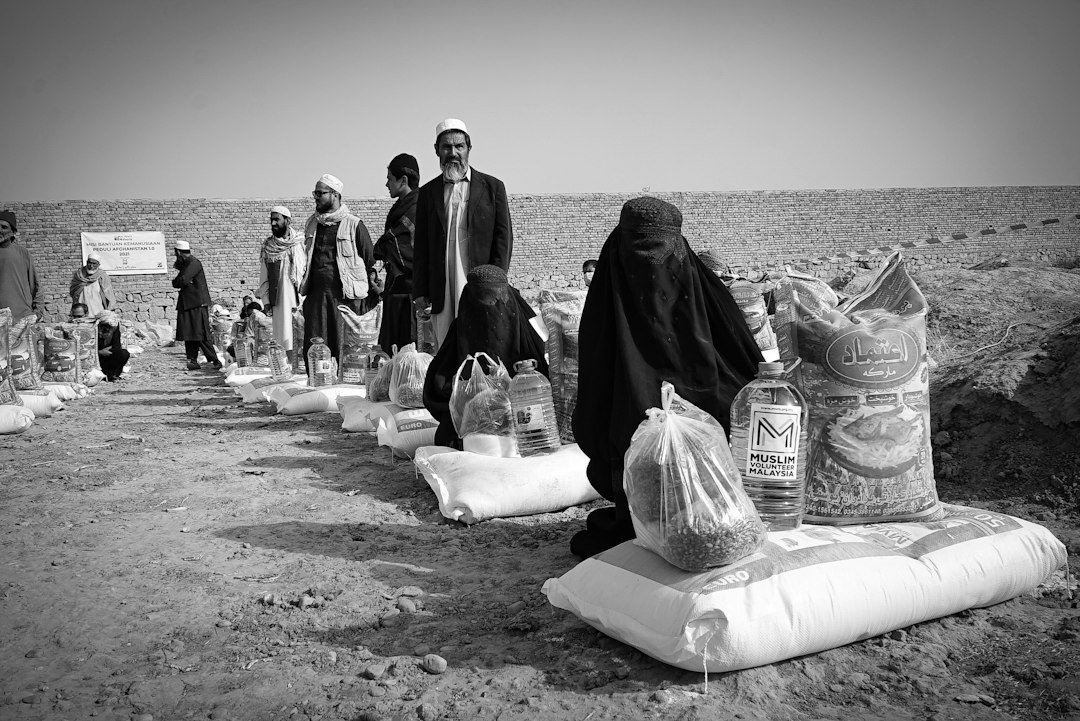
Image note: Illustrative archival photograph of women in Kunduz, Afghanistan, receiving humanitarian assistance. It is not a photograph of a healthcare facility or the events described in this report.
Sources and references
- United Nations, “Afghanistan restrictions prevent pregnant women from seeking medical help,” 20 November 2026.
- UN Geneva Press Briefing transcript, 20 November 2026 – statements by UN Women representatives.
- UN Geneva Multimedia Newsroom, Press Briefing, 20 November 2026.
Featured image credit: Unsplash / Wanman Uthmaniyyah.