
ANTALYA, 10 November 2026 — World Health Organization (WHO) Director-General Tedros Adhanom Ghebreyesus has urged governments to move from climate and health declarations to practical implementation, warning that climate change is already placing growing pressure on health systems worldwide.
Speaking at the ministerial roundtable during COP31 Health Day on 9 November, the WHO chief said around 3.5 billion people live in areas highly vulnerable to climate change. Heat, floods and droughts are disrupting essential services, filling emergency departments and putting health workers at risk, while air pollution linked largely to fossil-fuel combustion causes an estimated seven million deaths each year.
Dr Tedros warned that a very strong El Niño is expected to influence weather patterns well into 2027, potentially adding to the strain on health services. He welcomed the launch of the Antalya Initiative for Health Resilience as a practical way for countries to exchange experience and strengthen climate-resilient health systems.
The Director-General said that commitments made at earlier climate conferences must now be translated into funded national plans. WHO’s 2025 Health and Climate Change Global Survey found that more than 90 per cent of countries identified insufficient finance as a major barrier to implementing their national health and climate plans, while about 80 per cent cited insufficient capacity.
A new WHO analysis indicates that six priority climate-health actions could prevent 1.6 million deaths annually. Five of the measures are estimated to return around 24 US dollars in benefits for every dollar invested. The actions include heat-health warning systems, climate-resilient water and sanitation, cleaner household energy and policies that reduce the health harms associated with fossil-fuel use.
Dr Tedros made three requests to governments: implement the Belém Health Action Plan and strengthen commitments through WHO’s climate and health alliance; work with finance, environment and energy ministries to cost and budget for climate impacts on health; and ensure that health is explicitly reflected in national adaptation plans, climate pledges and COP negotiations.
He argued that health should be eligible for climate finance and receive a growing share of adaptation funding. Health ministries, he said, are often the first to see the consequences of climate change on communities and should have a stronger voice in decisions about climate policy and investment.
The WHO chief concluded that declarations alone do not protect people: implementation does. The agency said it would continue supporting governments with economic evidence, technical guidance and cooperation through the COP process, with the aim of protecting populations from climate-related health threats while strengthening more resilient and lower-carbon health systems.
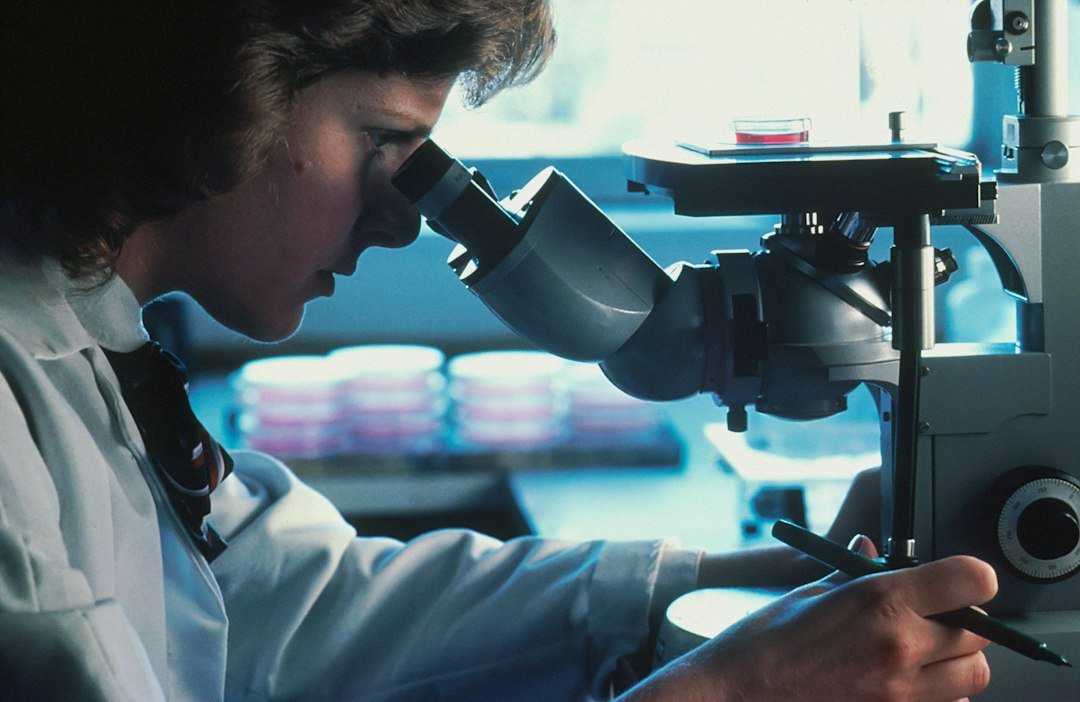
Sources: WHO Director-General’s remarks at the Ministerial Roundtable at COP31 Health Day, 9 November 2026; WHO report: Six climate and health actions could save 1.6 million lives, 4 November 2026. Featured image is an illustrative laboratory photograph.