
12 November 2026 | Geneva Policy Forum | UNDRR–WMO report
A new report by the United Nations Office for Disaster Risk Reduction (UNDRR) and the World Meteorological Organization (WMO) says that 136 countries now report having some form of multi-hazard early-warning system. That represents 70 per cent of countries worldwide and a 143 per cent increase since global reporting began in 2015.
The Global Status of Multi-Hazard Early Warning Systems 2026 records progress, including 17 additional countries reporting capability since March 2025. However, the UN agencies warn that coverage and system quality remain uneven, with major gaps persisting in countries and communities most exposed to disasters.
The report finds a strong relationship between stronger warning systems and reduced disaster impacts. Countries with substantial to comprehensive early-warning capabilities recorded disaster-related mortality 6.1 times lower than countries with limited to moderate systems. They also recorded 3.2 times fewer people affected by disasters.
Small island developing States have the lowest reported coverage, while least developed countries have the lowest overall comprehensiveness scores. Although the latter have made progress, the report says that the communities facing the greatest climate and disaster risks often have the least capacity to turn forecasts into timely protection.
The agencies warn that a powerful El Niño could intensify heat, drought and heavy rainfall risks in the months ahead. Forecasts alone are not enough: effective early warning requires clear communication, local preparedness, community participation, coordinated government action and financing that enables people to act before hazards become humanitarian emergencies.
UNDRR and WMO are calling for stronger investment in the most exposed countries and for early-warning information to be connected to anticipatory action. The findings reinforce the UN’s Early Warnings for All initiative and the need to ensure that progress in global coverage translates into protection for people who remain at greatest risk.
Sources and references
- WMO / UNDRR, “Early warning protection expands worldwide”, 11 November 2026
- WMO, Global climate update for COP31
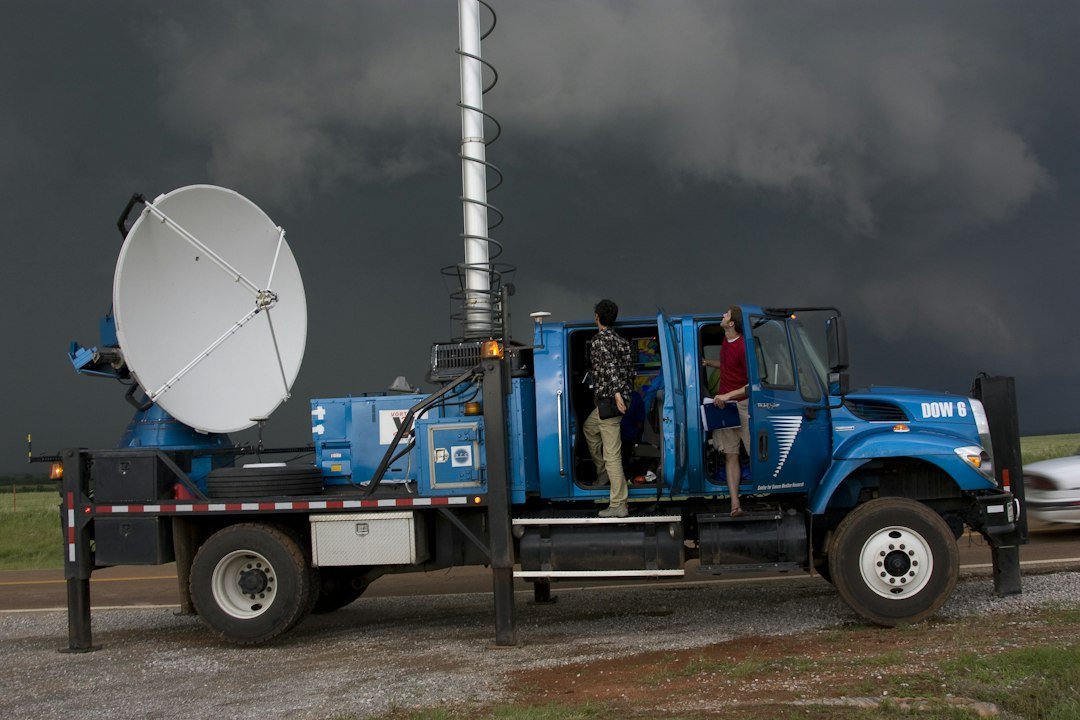
Image: Illustrative weather radar photograph; photo credit NOAA via Unsplash.