
GENEVA, 8 November 2026 — The United Nations Children’s Fund (UNICEF) has warned that attacks on water and sanitation infrastructure are putting children at growing risk in conflict zones, with major disruptions reported in Ukraine’s capital as winter approaches.
At a UN Geneva briefing on 6 November, UNICEF spokesperson Ricardo Pires presented findings from the agency’s new Water Under Fire report. The report documents a sharp deterioration in the protection of essential water services: reported attacks damaging or destroying water and sanitation systems in conflict situations tripled between 2021 and 2025.
The analysis covers 23 countries and territories and highlights the combined impact of attacks on water infrastructure, energy supplies and the workers who maintain these systems. When electricity is cut, pumping and treatment can stop, leaving households, hospitals, schools and other essential services without safe water.
Kyiv, a city of around three million people including approximately half a million children, experienced significant water supply disruptions during the week of the briefing following attacks on energy infrastructure. Power outages affected water supplies in every district of the capital, disrupting homes, hospitals, schools and kindergartens.
UNICEF warned that the consequences could become more severe as temperatures fall. A loss of electricity can interrupt water distribution and heating at the same time, while health facilities face additional pressure to maintain safe and reliable services. Children are particularly vulnerable to waterborne disease, cold conditions and interruptions to education.
The agency said it was supporting efforts to keep essential services operating. In Kyiv, UNICEF had provided 47 generators to the city’s water utility and upgraded pumps at four major pumping stations. It was also supporting alternative water sources, including boreholes and public water kiosks that can function during power outages.
At the National Cancer Institute, UNICEF was helping establish a 300-metre-deep borehole to provide the hospital with an independent source of safe drinking water. Across Ukraine, the agency said it had helped more than five million people access safe water and sanitation services during the year and supported heating for more than three million people.
UNICEF stressed that humanitarian assistance cannot replace the obligation to protect civilian infrastructure. It called for water and energy systems to be protected and for attacks on essential civilian services to stop, warning that the safety, health and survival of children depend on reliable access to water and warmth.
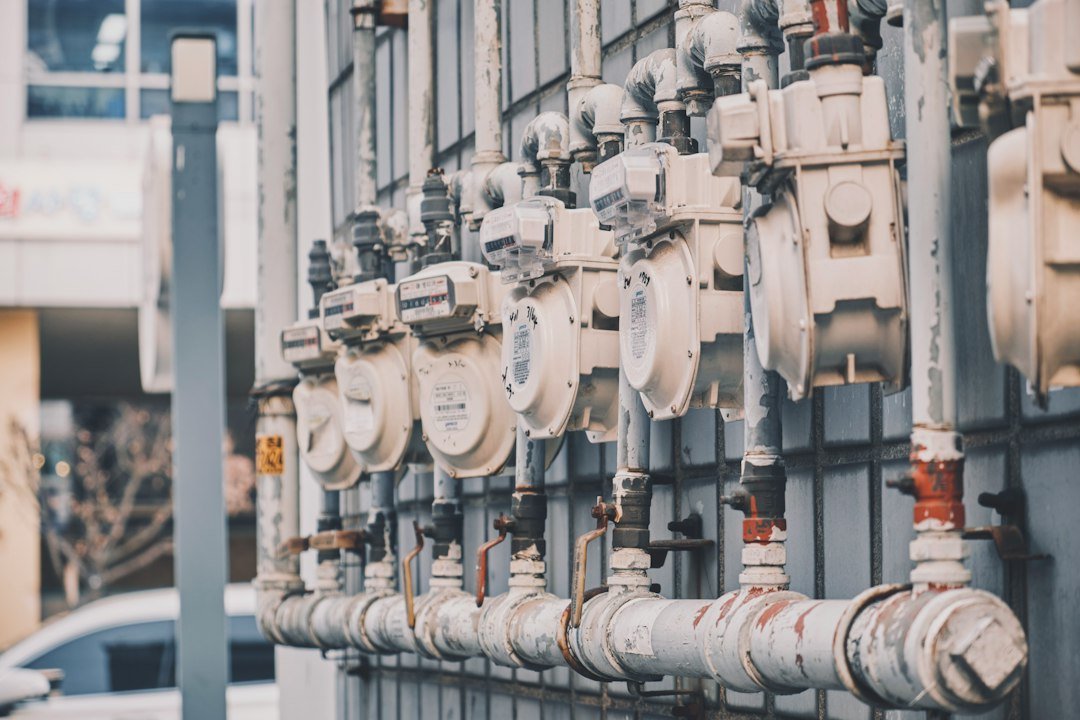
Sources: UN Geneva Press Briefing, 6 November 2026; UNICEF; UNICEF, Water Under Fire. Featured image is an illustrative photograph of water infrastructure, not a verified image of a Kyiv facility.