
ANTALYA, 10 November 2026 — The World Meteorological Organization (WMO) has warned that 2026 is likely to be one of the four warmest years ever recorded, as greenhouse-gas-driven warming combines with a strengthening El Niño to intensify climate hazards around the world.
In its State of the Climate Update 2026, released on 9 November at the UN Climate Change Conference (COP31) in Antalya, the agency said the past 12 years have been the warmest on record. The four warmest years are now 2023–2026, with the global average surface temperature from January to September 2026 standing at approximately 1.47°C above the 1850–1900 pre-industrial average.
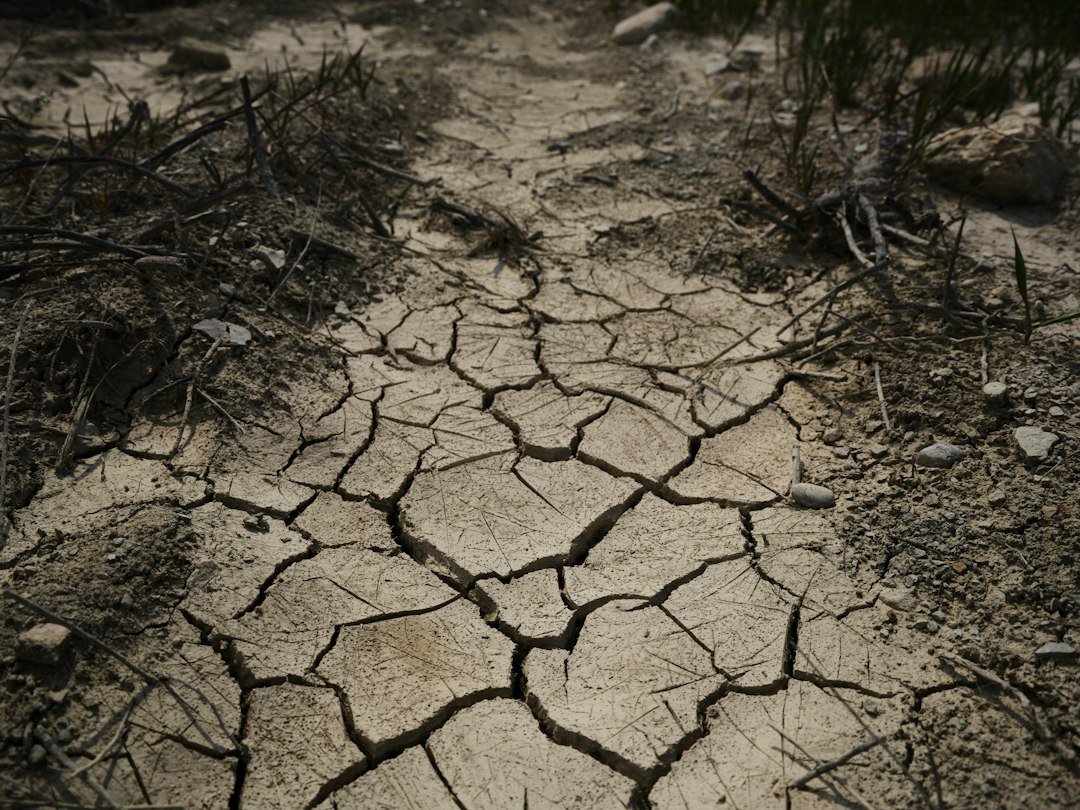
The report says the developing El Niño has intensified since August and is expected to continue into early 2027. The climate pattern releases heat stored in the tropical Pacific Ocean and is likely to increase the risk of extreme heat, drought and heavy rainfall. WMO cautioned that its full impact on global temperatures may be felt particularly strongly in 2027.
Ocean indicators are also reaching unprecedented levels. Preliminary observations show that ocean heat content is on track for a tenth consecutive year of records, while global mean sea level reached its highest level since satellite measurements began in 1993. The combination of warming oceans and melting land ice increases risks for coastal communities, infrastructure and ecosystems.
WMO Secretary-General Celeste Saulo said extreme weather is intensifying faster than historical baselines prepared societies for. Heatwaves, tropical cyclones and rainstorms are already causing major human and economic costs. The report notes that millions of people experienced dangerous heat during 2026, while floods and droughts affected communities across several regions.
There are, however, signs of progress in preparedness. The number of countries reporting multi-hazard early-warning systems rose from 56 in 2015 to 136 in 2025. WMO stressed that warnings are only effective when supported by sustained weather observations, reliable data-sharing, trained personnel and investment in national meteorological services.
UN Secretary-General António Guterres called on governments to cut emissions faster, accelerate a just transition away from fossil fuels and provide finance and protection to countries most exposed to climate impacts. The WMO update is intended to inform COP31 negotiations, where governments are assessing climate commitments, adaptation and the resources needed to protect vulnerable populations.
The agency underlined that the update uses data available through September 2026 and does not include the most recent impacts of the developing El Niño. The full State of the Global Climate 2026 report is expected in March 2027, incorporating additional contributions from national meteorological services and scientific partners.
Sources: WMO, “State of the climate in 2026 gives new meaning to phrase ‘off the charts’,” 9 November 2026; WMO, State of the Climate Update for COP31; Statement by WMO Secretary-General Celeste Saulo. Featured image is illustrative and does not depict a specific location in the report.