
18 November 2026 | Geneva Policy Forum | UNEP–WHO scientific assessment
The United Nations Environment Programme (UNEP) and the World Health Organization (WHO) have released their first major global update in more than a decade on endocrine-disrupting chemicals (EDCs). The 2026 assessment warns that exposure to substances capable of interfering with the body’s hormone systems can begin before birth and may have lasting consequences for human health and wildlife.
The report, State of the Science of Endocrine-Disrupting Chemicals 2026, updates the joint UNEP–WHO assessment published in 2012. It reviews advances in scientific evidence, exposure monitoring, testing methods and regulatory approaches, with the aim of helping policymakers identify the most significant risks and options for action.
The agencies say evidence has strengthened linking EDC exposure with effects on fertility and reproductive development, brain development and neurological function, thyroid and other hormone regulation, metabolism, immunity and cardiovascular health. The assessment also identifies newer areas of concern, including metabolic liver disease and possible effects on the kidneys, while acknowledging that important scientific uncertainties remain.
These chemicals have been detected in blood, breast milk and umbilical cord blood. Early exposure may affect development, growth and reproductive health. The report says the risks extend beyond people: studies across fish, birds, amphibians and mammals have linked exposure to impaired reproduction, development and behaviour.
UNEP and WHO point to a major gap in global chemical safety oversight. More than 350,000 chemicals and chemical mixtures are registered for production and use worldwide, but only a small fraction has been assessed for endocrine-disrupting properties. People and wildlife are also exposed to mixtures of chemicals in daily life, while many regulatory systems continue to evaluate substances one at a time.
The agencies identify everyday products and supply chains as important areas for prevention, including plastics and food packaging, toys, cosmetics, textiles, pesticides, healthcare products and pharmaceuticals. The report calls for stronger testing, better monitoring, transparent information about product ingredients, safer alternatives and coordinated regulatory action across sectors.
A companion UNEP synthesis, From Evidence to Action, translates the scientific findings into practical options for policymakers. The agencies stress that precautionary action can reduce harmful exposures even while research continues to address remaining uncertainties, with particular attention to pregnant women, children and future generations.
The assessment was launched during the first International Conference of the Global Framework on Chemicals in Geneva, taking place from 16 to 20 November. Its central message is that prevention, disclosure and safer chemical design are essential to protecting public health and ecosystems throughout the life course.
Sources and references
- UNEP–WHO joint news release, “Evidence mounts that exposure to hormone-disrupting chemicals starts before birth”, 17 November 2026
- WHO, State of the Science of Endocrine-Disrupting Chemicals 2026
- UNEP repository: full scientific assessment
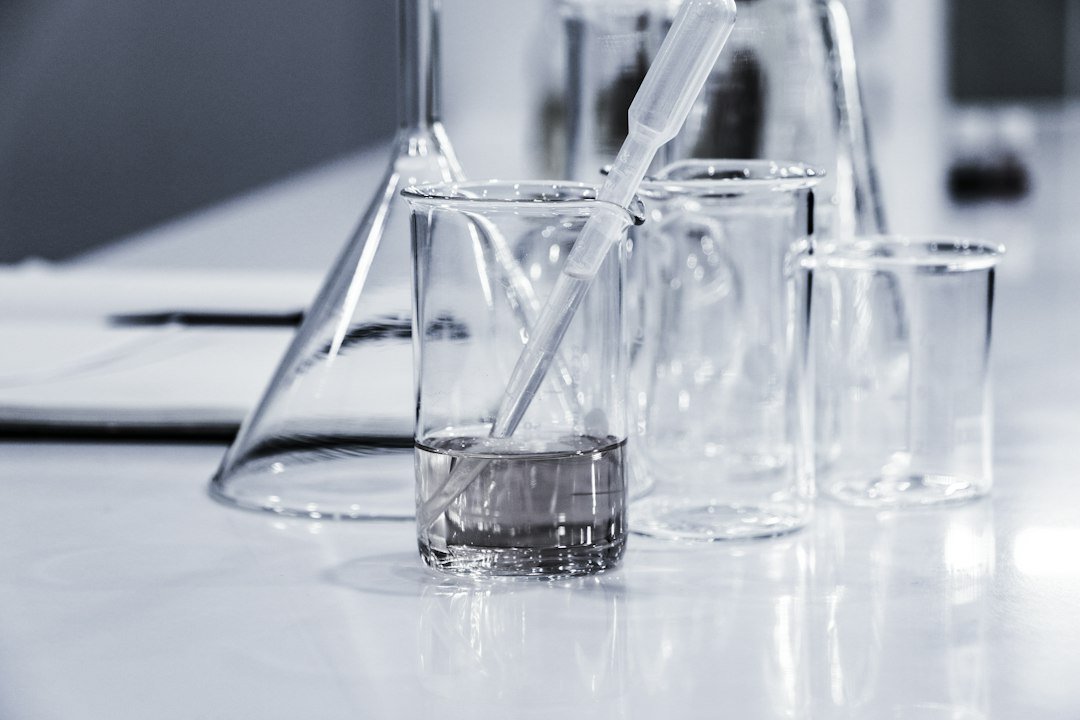
Featured photograph: laboratory glassware used in scientific chemical research. Photo by Hans Reniers via Unsplash.