
18 November 2026 | Geneva Policy Forum | OHCHR report
The Office of the UN High Commissioner for Human Rights (OHCHR) has reported that more than 2,230 civilians were killed in Sudan between January and the end of October 2026, with more than 1,630 of the confirmed deaths attributed to drone strikes. The figures were released alongside a report examining the human-rights situation during the first half of the year.
The report documents at least 1,390 civilian deaths between January and June in fighting involving the Sudanese Armed Forces, the Rapid Support Forces and allied armed movements. More than 80 per cent of those casualties resulted from drone strikes. OHCHR said a further 840 civilians were killed during the following four months, nearly 520 of them in drone attacks.
The UN Human Rights Office warned that the confirmed figures are likely to understate the true toll because access to conflict-affected areas and independent verification remain difficult. High Commissioner Volker Türk said the findings provide further evidence of severe civilian suffering and disregard for international humanitarian law, and warned that some documented violations may amount to war crimes.
According to the report, Kordofan accounted for more than two-thirds of documented civilian casualties, followed by Darfur. Drone attacks also affected eastern and central parts of the country, including White Nile State, where at least 41 civilians were killed during the reporting period.
The report describes strikes on markets, hospitals, schools, fuel supplies, water sources, displacement sites and civilian vehicles. During the first half of 2026, OHCHR documented at least 39 drone strikes on markets, 20 on civilian vehicles, 17 on fuel tankers and depots, and 16 on health facilities. Attacks on markets, combined with looting and movement restrictions, have further undermined access to food.
OHCHR also raised concerns about unlawful killings, arbitrary detention, reprisals against people accused of collaborating with opposing forces, sexual violence, indiscriminate attacks and the shrinking of civic space. It said strikes on electricity facilities and fuel stations in late October caused blackouts and shortages that disrupted health services, access to clean water and food production for millions of people.
The High Commissioner called on all parties, regardless of affiliation, to protect civilians and comply with their obligations under international law. The report stresses that accountability is essential to preventing further abuses, while the UN has urged an end to arms transfers that fuel attacks on civilians and called for good-faith negotiations towards a ceasefire.
Sources and references
- OHCHR / UN Sudan, “UN report details deadly civilian impact of surge in drone strikes”, 17 November 2026
- UN Geneva press briefing on Sudan, 17 November 2026
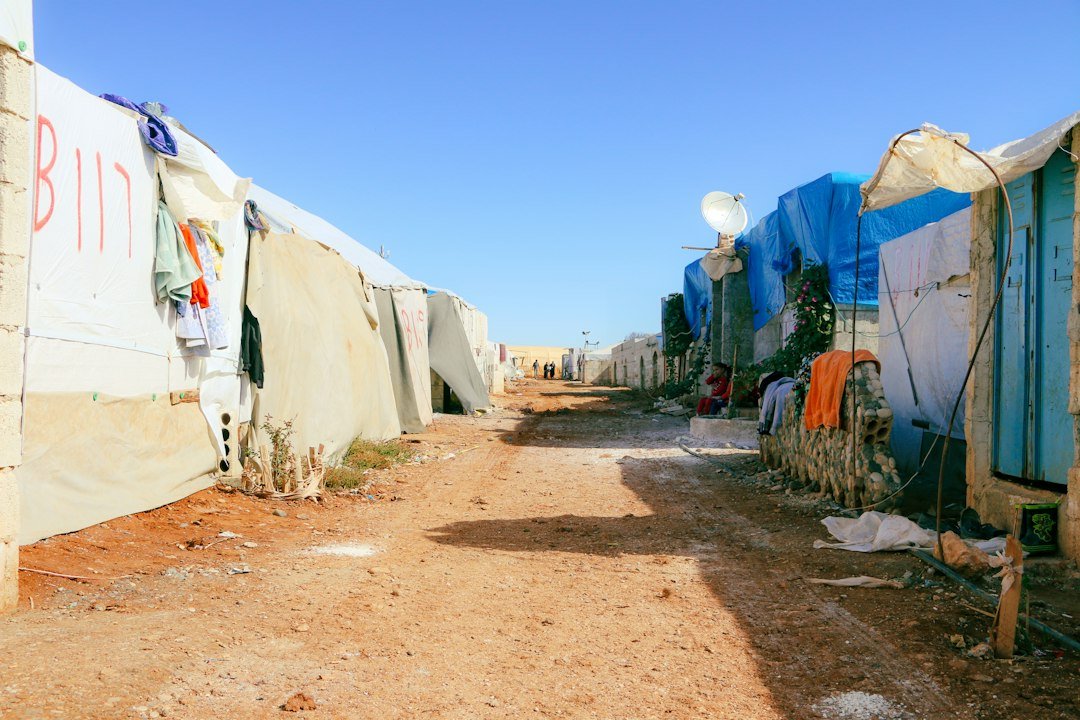
Featured photograph: illustrative refugee camp and shelter scene; it is not a photograph taken in Sudan. Photo by Salah Darwish via Unsplash.